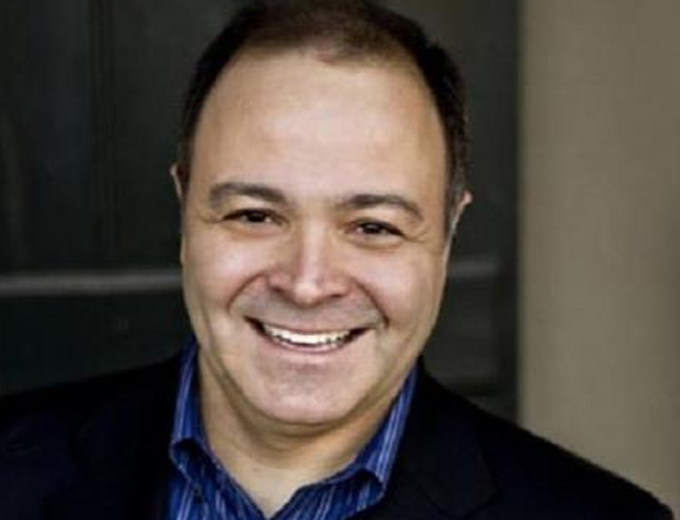
By the team at Mark Bilello, DDS
A dental crown is a custom-made cap that covers the visible part of a damaged tooth. It helps protect the tooth from breaking and restores its shape so you can chew normally again. Dr. Mark Bilello, DDS restores cracked, worn and heavily filled teeth with crowns at 399 Bayou Gardens Blvd in Houma. Call (985) 872-9470 to have a tooth checked.
Dr. Bilello’s approach is ultra-conservative and biomimetic, meaning repairs that keep as much natural tooth as possible. If a smaller repair such as a filling or an onlay (a partial crown that covers only part of the tooth) will protect your tooth, that is what he will recommend. Questions and second opinions are always welcome.
When does a tooth need a crown?
- A cracked tooth. Chewing pressure can make a crack spread. A crown holds the tooth together and protects it. Read more about cracked tooth signs and treatment.
- A large old filling. When a filling takes up most of the tooth, the walls around it become thin and can break off. A crown covers and supports what remains.
- After root canal treatment. A root canal removes infected or inflamed nerve tissue from inside the tooth. It saves the tooth, but back teeth in particular are often weaker afterward, so a crown is commonly placed to protect them.
- Heavy wear. Grinding or clenching can wear teeth down until they are short, chipped or sensitive. A crown rebuilds their height and shape.
- A large cavity that leaves too little healthy tooth for a filling to hold.
Many of these cause little or no pain at first. A checkup can catch them before the tooth breaks.
Crown, onlay or filling: how Dr. Bilello decides
A full crown is not always the answer. Dr. Bilello looks at four things:
- how much healthy tooth is left
- where the tooth sits in your mouth
- how hard you bite
- which fillings are already there
Then he matches the repair to the damage:
- Filling: for small to moderate decay or chips. Tooth-colored resin is matched to your enamel.
- Inlay: a custom-made piece that fills a larger space inside the chewing surface.
- Onlay (sometimes called a ¾ crown): covers part of the chewing surface, including one or more of the raised points (cusps), while keeping the healthy sides of the tooth.
- Full crown: covers the whole tooth when too little strong tooth remains.
A filling or onlay keeps more of your natural tooth, so it comes first whenever it will hold up. For a closer comparison, see dental crowns vs. fillings, or our general and restorative dentistry page for the full range of repairs.
Same-day crowns in Houma
Our office uses an in-office E4D milling machine and special software to design, make and place many crowns, inlays and onlays in a single visit. Here is how it works:
- Dr. Bilello shapes the tooth and records it digitally.
- He designs the crown with software.
- The crown is carved (milled) from a solid block in the office while you wait.
- He checks the fit and bite, then bonds the crown in place.
For those teeth, that usually means no temporary crown and no second appointment.
Some teeth are better served by a crown made by the ceramist Dr. Bilello works with (a specialist who crafts porcelain restorations). That takes two visits:
- The tooth is shaped and you wear a temporary crown.
- The finished crown is fitted at the second visit.
Dr. Bilello will tell you which route suits your tooth and why.

What happens at your crown visit
- Exam and X-rays. Dr. Bilello examines the tooth, takes any X-rays needed and explains your options, including any smaller repair.
- Numbing. The tooth and nearby gum are numbed with a local anesthetic.
- Preparing the tooth. Decay and weak old filling material are removed. If a lot of tooth is missing, a build-up (filling material that rebuilds the core of the tooth) may be placed first. The tooth is then shaped so the crown fits over it.
- Making the crown. A same-day crown is designed and milled while you wait. With a ceramist-made crown, you leave with a temporary.
- Fitting. Dr. Bilello checks the fit, color and bite, then bonds the crown in place.
How many visits: a same-day crown is finished at one appointment, and a ceramist-made crown takes two. Dr. Bilello will tell you which applies to your tooth and what to plan for before treatment starts.
Crown materials
Same-day crowns are milled in our office, and other crowns are crafted by the ceramist Dr. Bilello works with. Dr. Bilello chooses a material based on where the tooth is, how hard you bite and how natural you want it to look. He explains the choice before treatment begins.
What affects the cost of a crown
- Which tooth: front or back.
- The material used.
- Extra work first: whether the tooth needs a build-up or root canal treatment.
- Your dental insurance and how much of your yearly benefit remains.
We explain the cost and your options at your visit, before any treatment starts. Our team can check your insurance benefits and talk through payment options.
Before treatment, we prepare an estimate that reflects your coverage. Financing through CareCredit lets you spread larger treatment into monthly payments. Just ask.
Comfort during treatment
Most crown visits need only numbing. If dental visits make you nervous, Dr. Bilello also offers:
- laughing gas (nitrous oxide)
- oral sedation with a prescribed pill
- the pill combined with laughing gas
Tell us when you call. Read more about patient comfort options.
Caring for your crown and how long it lasts
The crown itself cannot decay, but the tooth at its edges can. To protect it:
- Brush twice a day and floss daily, especially where the crown meets the gum.
- Avoid chewing ice or other hard objects.
- Wear a night guard if you grind your teeth.
- Keep up regular checkups.
With good care, many crowns last 5 to 15 years.
Frequently asked questions
Can I get a crown in one visit?
Often, yes. Many crowns, inlays and onlays are designed, milled and placed in our office at a single appointment. Some teeth are better served by a crown made by a ceramist, which takes two visits with a temporary crown in between. Dr. Bilello will tell you which applies to your tooth.
Does getting a crown hurt?
The tooth is numbed first, so most patients feel pressure rather than pain during treatment. Afterward, the tooth and gum may be a little sore or sensitive for a few days. If you feel nervous, ask about laughing gas or oral sedation.
Do I need a crown, or would a filling or onlay work?
It depends on how much healthy tooth is left:
- Small to moderate damage can often be repaired with a filling.
- A weakened back tooth can often be protected with an onlay, which keeps its healthy sides.
- A full crown is for teeth with too little strong structure left.
Dr. Bilello recommends the most conservative repair that will hold up, and second opinions are welcome.
How long does a dental crown last?
With good care, many crowns last 5 to 15 years. Brushing, daily flossing at the crown edge, a night guard if you grind and regular checkups all help.
How much does a crown cost with and without insurance?
The cost depends on which tooth needs the crown, the material used and whether the tooth needs a build-up or root canal treatment first. Your insurance benefits also affect what you pay. We explain the cost and your options at your visit, before any treatment starts, and we prepare an estimate that reflects your coverage. CareCredit financing is available.
Visit us
Mark Bilello, DDS is at 399 Bayou Gardens Blvd., Houma, LA 70364.
- Hours: Monday to Thursday, 7 AM to 3 PM. Closed Friday to Sunday.
- Phone: call (985) 872-9470 to have a tooth checked for a crown.
- Online: request a consultation.