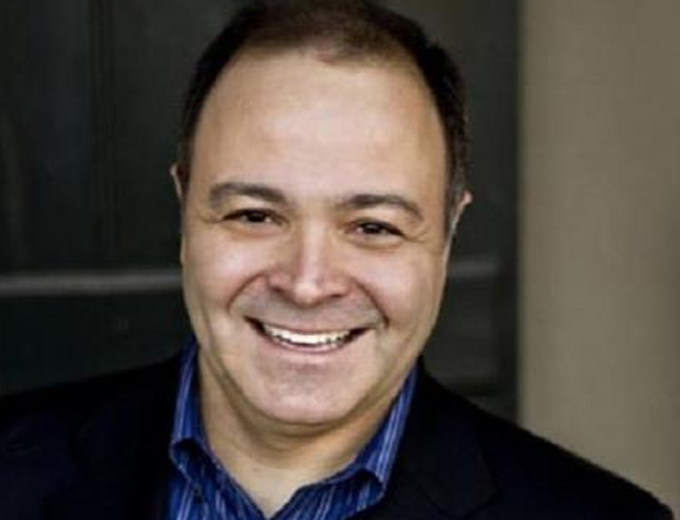
By the team at Mark Bilello, DDS
A dental implant is a small post placed in your jawbone that holds a new tooth, or a set of new teeth, in place. At Mark Bilello, DDS, in Houma, Dr. Bilello plans your treatment and designs and fits the teeth that attach. A local oral surgeon places the implant posts. Most people are good candidates, and healing usually takes six to nine months.
Implants can hold a single crown, a bridge, a partial denture or a full denture. Whether you are missing one tooth, several or all of them, a consultation is the place to start.
How implant treatment works at our office
Implant treatment happens in stages, with two offices working together. Here is what to expect.
- Consultation and planning with Dr. Bilello. Dr. Bilello looks at your teeth, gums and jawbone and asks what you want from treatment. Together you choose the kind of new teeth that suits you. If you need bone grafting or gum disease treatment before implants, you will know at this stage.
- Placement by the oral surgeon. Dr. Bilello works with a local oral surgeon, who places the implant posts in your jawbone. The oral surgeon explains what to expect on the day and during recovery.
- Healing. Over the next six to nine months, your jawbone bonds with the implant posts. This bond is what holds them steady. You can wear a temporary denture while you heal.
- Dr. Bilello attaches and fits your new teeth. A ceramist makes your crown, bridge or denture to Dr. Bilello’s plan. Dr. Bilello then attaches it to the implant posts and makes any adjustments it needs.
- Follow-up and everyday care. Implant teeth need the same care as natural teeth: brushing twice a day, flossing once a day and regular professional dental care. Keep your checkups, usually every six months, so your new teeth and the rest of your mouth stay checked.
What your new teeth can be
Implants can secure four kinds of new teeth. Which one fits you depends on how many teeth you are missing and where.
- A crown. A crown replaces a single missing tooth. It attaches to an implant post anchored in your jawbone, so it does not rely on the teeth next to it.
- A bridge. A bridge fills a gap where teeth are missing. A traditional bridge anchors to crowns on your natural teeth. An implant-supported bridge anchors to implants instead.
- A partial denture. A partial replaces several missing teeth on one arch (your upper or lower teeth). It can be secured by implants rather than by clasps on neighboring teeth.
- An implant-supported denture. This full denture replaces all the teeth on your upper or lower arch. It snaps onto implant posts (the number depends on your jaw) instead of relying on suction or adhesive.
Who is a good candidate for dental implants?
Most people are good candidates for dental implants. Some people need bone grafting or gum disease treatment first, so the jawbone and gums are ready to support the implant posts.
Ideal candidates have:
- strong jawbone density
- good oral health and good daily hygiene
- no gum disease
- good overall health and a healthy immune system
- no smoking habit, or a commitment to quitting
Bone matters a great deal. If your jawbone is low in density or volume, an option that does not depend on bone bonding with a post may suit you better. Your consultation is where Dr. Bilello checks these things and talks through what makes sense for you.
Implants or another option?
Implants are one way to replace missing teeth, not the only one. They usually cost more than other options, and they need surgery and months of healing. Bridges and dentures can be good choices too, depending on your teeth, gums, bone and budget. Like any surgery, implant placement carries risks, such as infection, and an implant can fail to bond with the bone (ADA). The oral surgeon explains the risks, what recovery feels like and when to call.
| Option | What holds it in place | Things to know |
|---|---|---|
| Implant crown or bridge | Posts in your jawbone | Does not rely on neighboring teeth; needs surgery and six to nine months of healing; usually costs more |
| Traditional bridge | Crowns on the natural teeth next to the gap | Generally no surgery and often finished fairly quickly; the neighboring teeth are reshaped; may need repair or replacement over time |
| Partial denture | Clasps on neighboring teeth, or implants | Removable; replaces several teeth on one arch; may need repair or replacement over time |
| Standard full denture | Suction (upper only) or adhesive | Needs relining as your gums change; less stable than implants and can affect speech and taste |
For a closer look, read alternatives to dental implants and dental bridges vs. dental implants, or see our bridges and dentures page. Dr. Bilello only recommends the dental work you need, and you are always welcome to ask questions or seek a second opinion.
Frequently asked questions
Does Dr. Bilello place dental implants?
No. A local oral surgeon places the implant posts. Dr. Bilello plans your treatment with you. After you heal, he attaches and fits your new teeth, whether that is a crown, a bridge, a partial denture or a full denture.
How long does healing take after implants are placed?
Healing usually takes six to nine months. During that time your jawbone bonds with the implant posts, which gives your new teeth a steady base. You can wear a temporary denture while you heal, so you are not left without teeth.
Can I get implants if I have bone loss or gum disease?
Possibly. Some people need bone grafting or gum disease treatment before implants can be placed. Healthy gums and strong jawbone are part of what makes a good candidate. Dr. Bilello checks both at your consultation and explains your options.
Can implants hold a full denture?
Yes. An implant-supported denture snaps onto implant posts (the number depends on your jaw) and replaces all the teeth on your upper or lower arch. A standard denture is held by suction (upper only) or adhesive instead, and it is less stable than one held by implants.
Do implants cost more than a bridge or denture?
Implants usually cost more than other ways to replace teeth. Your cost depends on your treatment plan, such as how many teeth you are replacing, the kind of new teeth you choose and whether you need bone grafting or gum treatment first. You can ask about cost at your consultation.
Do I need to quit smoking to get implants?
Ideal candidates for implants do not smoke or are committed to quitting. If you smoke, tell Dr. Bilello at your consultation. He can talk with you about what that means for implant treatment and whether another option may suit you better.
Talk with us about dental implants in Houma
The first step is a consultation with Dr. Bilello. Call our office at (985) 872-9470 or request a consultation.
Mark Bilello, DDS, is at 399 Bayou Gardens Blvd., Houma, LA 70364, open Monday to Thursday, 7 AM to 3 PM. Patients also come to us from Thibodaux, Morgan City, Raceland, Lockport and other nearby towns.
Sources
- American Dental Association, MouthHealthy: Implants. https://www.mouthhealthy.org/all-topics-a-z/implants
- American Academy of Periodontology: Dental Implant Procedures. https://www.perio.org/for-patients/periodontal-treatments-and-procedures/dental-implant-procedures/
- Mark Bilello, DDS: dental implants, bridges and dentures pages (read 2026-10-30).